Lab Grown Diamonds


What Is a Lab-Grown Diamond?
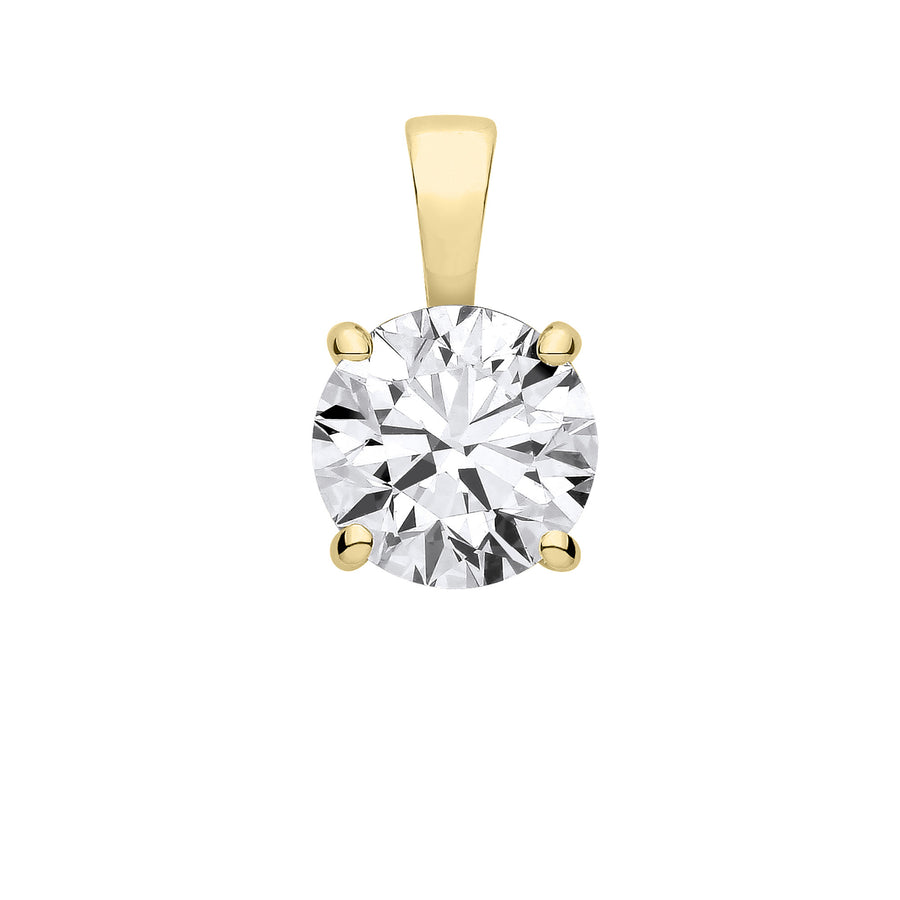
A diamond is pure carbon arranged in a tight crystal structure. A lab-grown diamond has exactly the same structure. The only difference is where it formed: a natural diamond grew deep underground over millions of years, while a lab-grown diamond is grown in a controlled environment, starting from a tiny slice of diamond called a seed. Once grown, it is cut and polished by the same methods used for mined diamonds.
Lab-grown diamonds are not the same as diamond simulants. Cubic zirconia and moissanite look similar but are different materials with different properties. A lab-grown diamond is a diamond.
How Lab-Grown Diamonds Are Made
There are two main methods:
- HPHT (high pressure, high temperature) recreates the intense heat and pressure deep in the earth, so carbon crystallises around the diamond seed.
- CVD (chemical vapour deposition) places the seed in a chamber filled with carbon-rich gas. The gas is heated until carbon atoms settle onto the seed and the diamond builds up layer by layer.
Both methods produce real diamonds, usually in a matter of weeks. The finished stones are then graded for cut, colour, clarity and carat, just like natural diamonds. Independent laboratories such as IGI and GIA issue grading reports for lab-grown diamonds.
Lab-Grown or Natural: The Honest Comparison
| Lab-grown diamond | Natural diamond | |
|---|---|---|
| What it is | Real diamond, pure carbon | Real diamond, pure carbon |
| Hardness | 10 on the Mohs scale, the hardest material | 10 on the Mohs scale, the hardest material |
| Sparkle | Identical when cut to the same standard | Identical when cut to the same standard |
| Price | Much lower for the same size and grade | Much higher, driven by rarity |
| Rarity | Can be produced to order | Formed over millions of years; finite supply |
| Resale value | Low; the second-hand market is still developing | Holds value better, although resale is still below retail |
| Telling them apart | Not possible by eye; needs specialist equipment | Not possible by eye; needs specialist equipment |

What D Colour and VVS Clarity Mean
Diamonds are graded for colour from D, which is completely colourless, down through the alphabet as a faint yellow tint appears. D is the highest grade. Clarity describes tiny natural marks inside the stone. VVS stands for very, very slightly included, which means any marks are extremely difficult to see even under 10 times magnification.
In a natural diamond, D colour and VVS clarity together are rare and expensive. With lab-grown diamonds, these top grades are within reach, which is why our lab-grown studs and necklaces are graded D VVS.

Are Lab-Grown Diamonds Ethical and Sustainable?
Lab-grown diamonds avoid mining, so there is no disturbance of land and no question of where the stone was dug up. That is a real advantage. It is also fair to say that growing diamonds uses a lot of electricity, so the environmental footprint depends on how that energy is produced. If sustainability is your main reason for choosing lab-grown, it is worth asking about a stone's origin, as you would with any diamond.
Should You Choose Lab-Grown?
Lab-grown
Lab-grown is a great choice if you want a bigger or whiter diamond for your budget, you are buying everyday jewellery such as studs or a pendant, or you are buying a gift and want it to look exceptional without the price of a natural stone.
Natural
Natural may suit you better if rarity matters to you, you think of the piece as something to pass down or sell one day, or you simply like the idea of a stone that formed over millions of years.
There is no wrong answer. The best way to decide is to see both side by side, which you can do in our shop.

Lab-Grown Diamonds in London: See Them in Person
Our shop at 393 North End Road, Fulham, SW6 1NR is a short walk from Fulham Broadway station. Come in to compare lab-grown and natural diamonds under the same light, and ask us anything. We are open Monday to Friday from 9am to 5:30pm and Saturday from 9am to 6pm. If you buy online, delivery is free across the UK by Royal Mail Special Delivery, you have 14 days to return your order, and every piece comes with a 6-month warranty against manufacturing faults.
Frequently Asked Questions