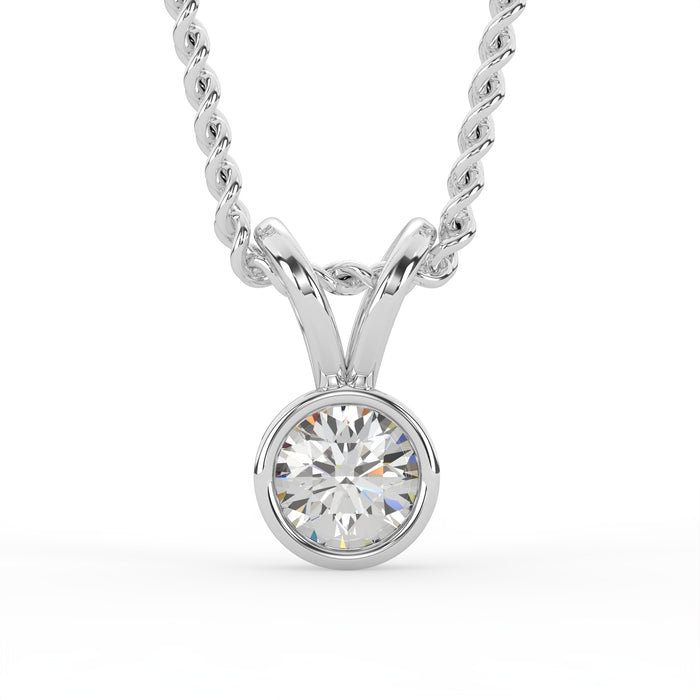
 0.50 Ct Solitaire D VVS Lab Grown Diamond Necklace in 9k White Gold, with Free 14k Chain
£546.00£599.99
0.50 Ct Solitaire D VVS Lab Grown Diamond Necklace in 9k White Gold, with Free 14k Chain£546.00£599.99
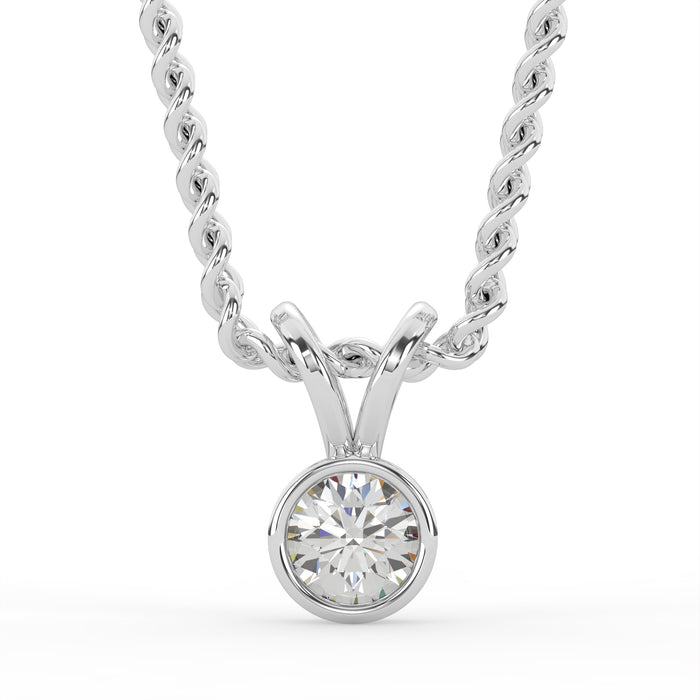 0.15 Ct Solitaire D VVS Lab Grown Diamond Necklace in 9k White Gold, with Free 14k Chain
£318.00£499.99
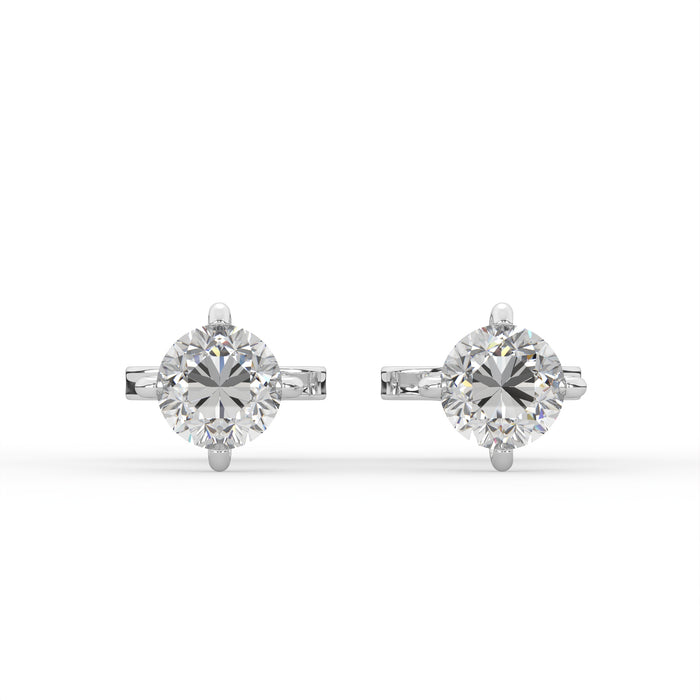 0.50 Carat Solitaire (D, VVS) Lab Grown Diamond Studs in 9ct White Gold
£328.00£399.99
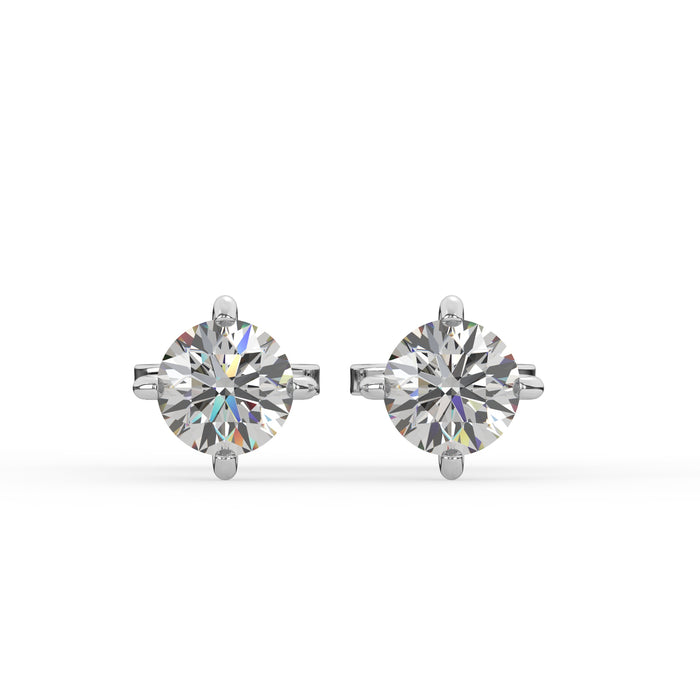 1 Carat Solitaire (D, VVS) Lab Grown Diamond Studs in 9ct White Gold
£546.00£599.99
 18ct 2 Colour 3 Band 0.50ct Diamond Ring TGC-DR0948
£2,987.00
Choose options 18ct Rose Gold 0.60ct Pave Set Ring TGC-DR0831
£3,925.00
Choose options 18ct Rose Gold 1.00ctw Certificated Engagement Ring TGC-DR0907
£10,529.00
Choose options 18ct Rose Gold 0.50ctw Certificated Engagement Ring TGC-DR0905
£4,428.00
Choose options 0.33ctw 3st P/C Diamond Set 4mm Flat Court Wedding Band TGC-WR0060
£2,717.00
Choose options 18ct Rose Gold 0.30ct Diamond Drop Earrings TGC-DER0233
£2,717.00
Showing 1–10 of 10 products · Page 1 of 1

Our largest collection, with more than 300 diamond rings: solitaires, clusters, half eternity and eternity rings, crossover and infinity designs, and rings that pair diamonds with sapphires, rubies, emeralds and other gemstones. For proposals, see our engagement rings.

Diamond earrings from small claw-set studs to drops, including four-stone princess-cut studs, diamond and gemstone drops, and D colour lab-grown solitaire studs.

Diamond pendants in yellow and white gold: hearts, floating hearts, crosses, drops, diamond initials and solitaire necklaces. A diamond pendant is one of the most popular first pieces of diamond jewellery, and one of the easiest gifts to get right.

Diamond bracelets range from fine rub-over bracelets with a single row of small diamonds to tennis bracelets in 18ct white gold set with 1, 2 or 3 carats of diamonds, as well as baguette and princess-cut designs.

Diamond bangles in yellow and white gold, with five-stone, channel-set and pavé-set designs.

Most of our diamond jewellery is set with natural diamonds. We also sell lab-grown diamond jewellery, which uses real diamonds created in a laboratory rather than mined. Both look the same, are equally hard and are graded on the same scale. Lab-grown stones cost much less for the same size and quality, while natural diamonds are rarer. Being able to compare the two side by side, with someone who can explain the difference honestly, is one of the best reasons to buy from a jeweller rather than a website alone. Read more in our guide to lab-grown diamonds.
The way a diamond is set affects how it looks, how secure it is and how it wears.
| Setting | What it looks like | Good to know |
|---|---|---|
| Claw | Small metal prongs hold the stone | Lets in the most light, so it sparkles most; check claws once a year |
| Rub-over | A smooth rim of metal surrounds the stone | Very secure and nothing to catch; ideal for bracelets and everyday rings |
| Channel | Diamonds sit in a row between two walls of metal | Sleek and protected; common on bangles and eternity rings |
| Pavé | Many tiny diamonds set closely together | A surface of sparkle; tiny stones can occasionally come loose, so have pavé pieces checked |
| Cluster | Several stones grouped to look like one larger one | Big look for the money |

You will see two measurements in our product names. ct is the carat weight of a single diamond. ctw means total carat weight: all the diamonds in the piece added together.
This makes a big difference to price. A 1.00ctw tennis bracelet is made up of many small diamonds that add up to one carat, while a 1.00ct solitaire is a single large stone. The solitaire is far rarer and costs considerably more. When you compare two pieces, always check whether the weight refers to one stone or to all of them.

Many of our rings, earrings and pendants combine diamonds with coloured stones, including sapphire, ruby, emerald, tanzanite, amethyst, blue topaz and aquamarine. Sapphires and rubies are very hard and suit everyday rings. Emeralds are more delicate, as they often contain natural inclusions and can chip if knocked, so they are better for earrings, pendants or rings that are not worn for heavy work.

If you can't find what you want, we can make it. Our workshop designs and makes bespoke diamond jewellery, from a pendant set with a diamond you have inherited to a pair of earrings matched to an engagement ring. We sketch the design with you, help you choose the stones, give you a price before work begins and make the piece by hand. See our bespoke jewellery service, or our jewellery redesign service if you want to reuse diamonds from older pieces.

Buying diamond jewellery in London is far easier when you can see it first. Our shop is at 393 North End Road, Fulham, SW6 1NR, a short walk from Fulham Broadway station. Come in to compare natural and lab-grown stones, see how different settings catch the light and try pieces on. Because our workshop is on site, we can also resize rings, re-tip worn claws and re-plate white gold long after you have bought from us. We are open Monday to Friday from 9am to 5:30pm and Saturday from 9am to 6pm.

